Yin Yoga Focus: Seiza (Japanese Kneeling Pose)
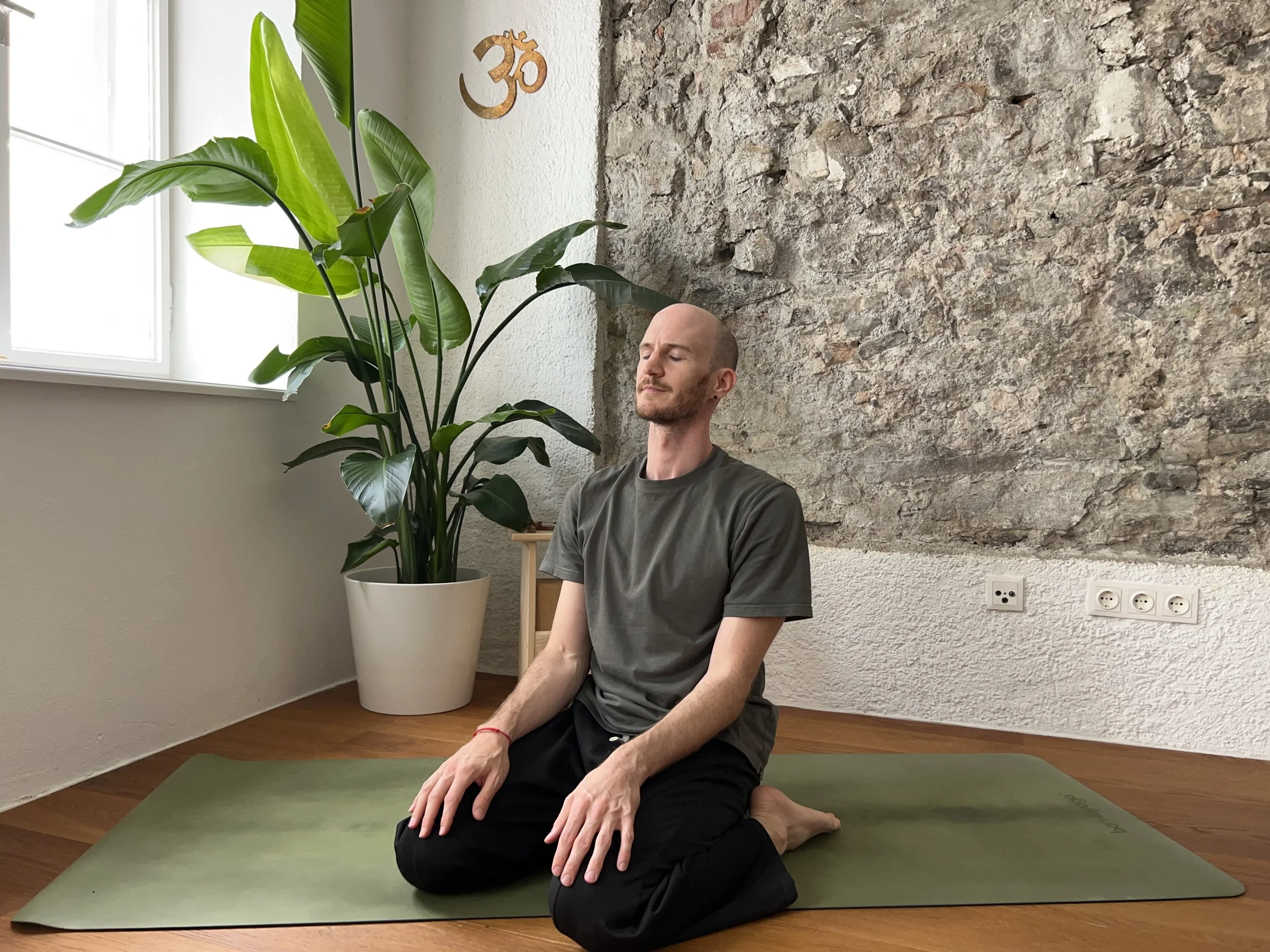
Seiza – Sitting on the floor is therapy for your hips
Seiza is a traditional Japanese kneeling posture in which you sit back on your heels. In Yin Yoga, it offers a gentle way to explore ankle extension while bringing awareness to the knees, ankles and hips. Although the position may look simple, it can feel quite intense depending on your mobility and proportions.
With the right support, Seiza can become a comfortable seat for stillness, breathing and exploring different arm positions.
Benefits
Creates a stretch across the front of the ankles.
Encourages awareness of the ankles, knees and hips.
Provides a stable seated position for breathing and meditation.
Offers an opportunity to explore different shoulder and arm positions.
Meridians & Organs
In traditional Chinese medicine and Yin Yoga, Seiza is associated with the Stomach and Urinary Bladder meridians, depending on the areas of the body being engaged.
Unlike some other Yin Yoga postures, Seiza is not generally described as creating direct compression or stimulation of specific organs.
How to Enter Seiza
Begin on your knees, with your shins resting on the floor and the tops of your feet pointing back.
Slowly lower your sitting bones towards your heels.
Adjust your feet so they feel comfortable, keeping the tops of the feet relaxed against the floor.
Rest your hands on your thighs, close your eyes if comfortable, and notice the sensations in your ankles and knees.
Stay for 1–3 minutes, or for as long as the posture remains comfortable.
There is no need to force yourself to sit all the way back onto your heels. The aim is to find a position in which you can remain present without unnecessary strain.
Variations & Support
Seiza is a wonderful posture for exploring different arm positions, allowing you to combine the lower-body position with movements that target the shoulders and upper back.
Anjali Mudra: Bring your palms together in front of your chest. Alternatively, bring your hands together behind your back if this is comfortable for your shoulders.
Cow Face Arms (Gomukhasana Arms): Reach one arm overhead and bend the elbow, bringing the hand towards the upper back. Bring the other arm behind your back and reach upwards. You can use a strap between your hands if they do not meet.
Eagle Arms (Garudasana Arms): Extend your arms in front of you, cross one elbow over the other and, if possible, wrap your forearms so the palms come together. Lift the elbows gently while keeping the shoulders relaxed.
You can also explore these arm variations one at a time, switching sides where appropriate.
To reduce the intensity of Seiza, try these modifications:
Sit on a yoga block: Place a block between your heels and sitting bones to reduce the amount of knee flexion.
Support the knees: Place a folded blanket behind your knees to create more space and comfort.
Support the ankles: Place a folded blanket beneath your ankles if you feel too much pressure across the tops of your feet.
Use a combination of props: Adjust the height and padding until the position feels sustainable.
Contraindications & Cautions
Avoid or modify Seiza if you have knee or ankle injuries, significant joint pain or limited mobility in these areas.
Pay attention to the difference between a stretching sensation and pain or pressure inside a joint. If you experience sharp pain, tingling, numbness or increasing discomfort, leave the posture or add more support.
Remember that sitting directly on your heels is not the goal. A supported variation can be just as valuable.
How to Exit the Pose
To leave Seiza, gently shift your weight to one side and bring your legs around in front of you. Alternatively, place your hands on the floor and move into Tabletop Pose (Cat Pose), lifting your hips away from your heels.
Move slowly, giving your knees and ankles time to adjust.
Counterposes
After Seiza, you can explore:
Downward-Facing Dog: Tuck your toes under, lift your hips and gently lengthen the backs of your legs while allowing the ankles to move in the opposite direction.
Cat Pose with Toes Tucked: Come onto all fours, tuck your toes under and gently shift your hips back towards your heels, only as far as comfortable. This creates a different sensation through the feet and ankles.
Seiza reminds us that even a simple seated posture can offer many possibilities. Rather than aiming for a particular shape, use props and variations to discover what allows you to stay present, breathe freely and listen to your body.